Peyton Font: Bold & Unique
As a web designer, finding the right font can make or break a design. Peyton is a display font that brings a playful yet professional edge to any digital project. Its unique character makes it ideal for headers, logos, and creative accents that need to stand out without overwhelming the user.
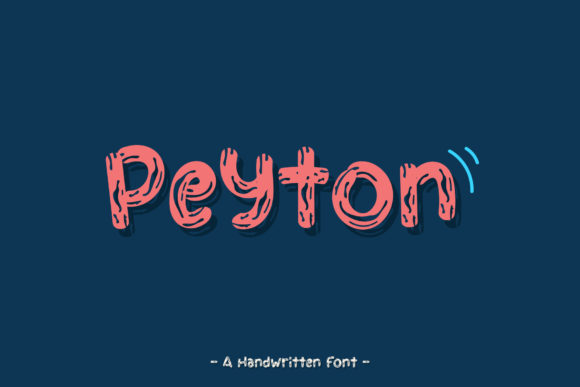
The visual characteristics of Peyton are both whimsical and refined. It features soft curves, subtle variations in stroke weight, and a natural, handcrafted feel. This font doesn’t scream for attention—it commands it with a confident, authentic presence. Whether used in a bold header or a small button, Peyton adds personality without sacrificing clarity.
For web designers, Peyton is a powerful tool when used strategically. It excels in hero sections, where its distinctive style can immediately capture a visitor’s attention. On landing pages, it works well for call-to-action buttons, adding a touch of creativity that aligns with brand tone. In online stores, Peyton can be used for banners or product titles to create a memorable visual identity.
When designing for digital products, the font’s readability is key. Peyton maintains legibility even at smaller sizes, making it suitable for mobile screens and responsive layouts. On dark backgrounds, its contrast is sharp, while on light backgrounds, it remains easy on the eyes. When placed over images, the font’s weight and spacing ensure it remains visible without clashing with the background.
Using Peyton in short phrases, such as headlines or taglines, allows its personality to shine. It’s less suited for long blocks of text but thrives in headings, section titles, and decorative accents. For example, a creative portfolio site might use Peyton for project titles, while a boutique online store could feature it in product banners or promotional tags.
Pairing Peyton with other fonts enhances its effectiveness. A simple sans serif like Open Sans or Lato can provide balance, creating a clean and modern look. For editorial designs, pairing it with a serif font like Georgia or Playfair Display adds a sophisticated contrast. This versatility makes Peyton a valuable addition to any design toolkit.
In branding, Peyton helps establish a consistent online identity. It’s perfect for logo design, social media graphics, and content headers. Its quirky charm aligns well with creative industries, such as art, fashion, or digital marketing. For a coaching website, Peyton can be used in blog headers or course titles to reinforce a friendly, approachable brand tone.
When considering font pairing, always test how Peyton interacts with other elements. Ensure that the combination supports visual hierarchy and doesn’t distract from the main message. Use it sparingly in layouts where it can add impact without competing with other design components.
Before using Peyton in a project, check the available styles, weights, and file formats. Webfont availability ensures smooth integration into websites and digital assets. If the font includes alternates or multilingual support, that’s an added benefit for global audiences or specialized design needs.
Commercial font licensing is an important consideration. Make sure Peyton’s license covers all intended uses, including client projects, online stores, and digital templates. Always review the terms to avoid legal issues and ensure compliance with font usage policies.
For SaaS founders and digital product creators, Peyton offers a way to elevate brand identity without sacrificing usability. It’s a premium font that adds value to web design, helping to create a cohesive and engaging user experience. Whether used in a landing page, app screen, or online store, Peyton delivers a unique visual signature that resonates with users.
When designing for blogs or course sales pages, Peyton can be used to highlight key points or differentiate sections. Its presence adds a layer of creativity that complements the content. For a digital brand kit, it’s an essential element that ties together various design assets, from website headers to social media posts.
Ultimately, Peyton is more than just a font—it’s a design choice that reflects authenticity and creativity. Its ability to enhance visual hierarchy, support brand tone, and improve user engagement makes it a must-have for web designers and digital creators. By understanding its strengths and limitations, you can use Peyton to craft compelling digital experiences that leave a lasting impression.