Sushi Cat: A Whimsical Display Font
There I was, staring at a blank brand board, trying to find the right visual voice for a new boutique café. The client wanted something playful yet professional, something that felt approachable but still had character. I had tested a few display fonts, but nothing quite clicked until I tried Sushi Cat.
A Visual Delight with a Personality
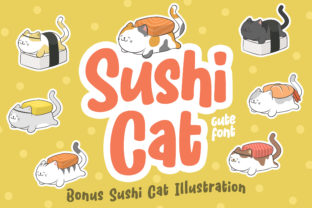
Sushi Cat is a cute and whimsical display font that brings a sense of fun and charm to any design. Its characters are adorned with tiny sushi-cat doodles, adding a unique visual flair that makes it stand out. The font has a hand-drawn feel, which gives it an organic and friendly vibe. It’s not just a typeface—it’s a little piece of personality wrapped in typography.
The style is perfect for brands that want to inject some lightheartedness into their identity. Whether it's a café, a craft shop, or a lifestyle brand, Sushi Cat can add that extra touch of creativity without overwhelming the design.
Testing Sushi Cat in Real Projects
I first used Sushi Cat on a logo concept for the café. The result was charming—just the right amount of playfulness to suggest a cozy, casual place. When paired with a clean sans-serif font for the tagline, it created a balanced contrast that felt both modern and nostalgic.
On a packaging mockup, Sushi Cat added a whimsical edge to the product labels. The sushi-cat illustrations peeked through the letters, making each package feel like a small surprise. It worked especially well on limited edition items or seasonal promotions where a bit of humor could make a big difference.
For a business card, Sushi Cat made the contact information feel more personal. It wasn’t too bold, but it definitely caught the eye. On a website header, it brought a sense of energy and creativity that matched the brand’s tone perfectly.
When to Use Sushi Cat
Sushi Cat shines as a display or headline font. It’s best suited for short phrases, logos, and decorative elements rather than long blocks of text. Its intricate details and playful style mean it won’t work well in body copy, especially at smaller sizes where readability can suffer.
It’s ideal for branding projects that aim to be memorable and engaging. Think of it as the font that makes people smile when they see it. However, it might not be the best choice for formal corporate environments or high-end luxury brands where a more restrained typeface would be more appropriate.
When using Sushi Cat, keep it simple. Let it be the star of the design, not the background. Pair it with a clean, neutral font to ensure the message remains clear and the overall look stays cohesive.
Font Pairing and Design Considerations
Pairing Sushi Cat with a serif or sans-serif font can create a nice balance. A classic serif like Georgia or a modern sans like Helvetica can provide a strong foundation while letting Sushi Cat take center stage. For a more artistic look, consider pairing it with a script or handwritten font, but be careful not to overdo it.
If you're working on a project that requires multilingual support, check if Sushi Cat includes those characters. Some display fonts may not have full coverage, so it’s worth verifying before finalizing your design.
Also, pay attention to the weights and styles available. If Sushi Cat offers multiple weights or alternates, experiment with them to find the right tone for your project. Some versions may have swashes or ligatures that add extra visual interest.
Practical Tips for Using Sushi Cat
Before using Sushi Cat in client work, test it across different mediums. See how it looks on print, digital screens, and various sizes. Make sure it scales well and maintains its charm without losing clarity.
Consider the context of the project. If the brand is targeting a younger audience or wants to convey a sense of fun, Sushi Cat is a great fit. But if the brand is more serious or traditional, it might not align with the desired image.
Lastly, always check the licensing terms. Make sure you have the right to use Sushi Cat in commercial projects, including websites, print materials, and digital products. Some fonts may require additional licenses for specific uses.
Sushi Cat isn’t just a font—it’s a creative tool that can bring a fresh, lively energy to your designs. Whether you’re working on a logo, packaging, or social media graphics, it adds a touch of personality that can make all the difference.